If you are thinking about a move near Bullard, one question can shape your whole experience: do you want to live on Lake Palestine or simply near it? Both options can give you access to the East Texas lake lifestyle, but they come with very different day-to-day realities. When you understand the tradeoffs in upkeep, access, permits, and flood risk, it becomes much easier to choose the property that fits your goals. Let’s dive in.
Why Bullard Buyers Compare Both
Bullard sits near one of the most recognized lifestyle draws in the area: Lake Palestine. The lake stretches across multiple counties, including Cherokee and Smith, and the Texas Water Development Board lists it at 25,560 acres with a maximum depth of 58 feet.
For many buyers, that means you are not just choosing a home. You are choosing how closely you want your daily life tied to the shoreline. Some people want a dock outside the back door, while others want easier ownership with the lake still a short drive away.
TPWD notes that Lake Palestine is about 15 miles southwest of Tyler and offers broad recreational access. With public boat launches and many private marinas, motels, and campgrounds around the lake, you can enjoy boating and fishing whether you own waterfront property or not.
What Lakefront Living Near Bullard Offers
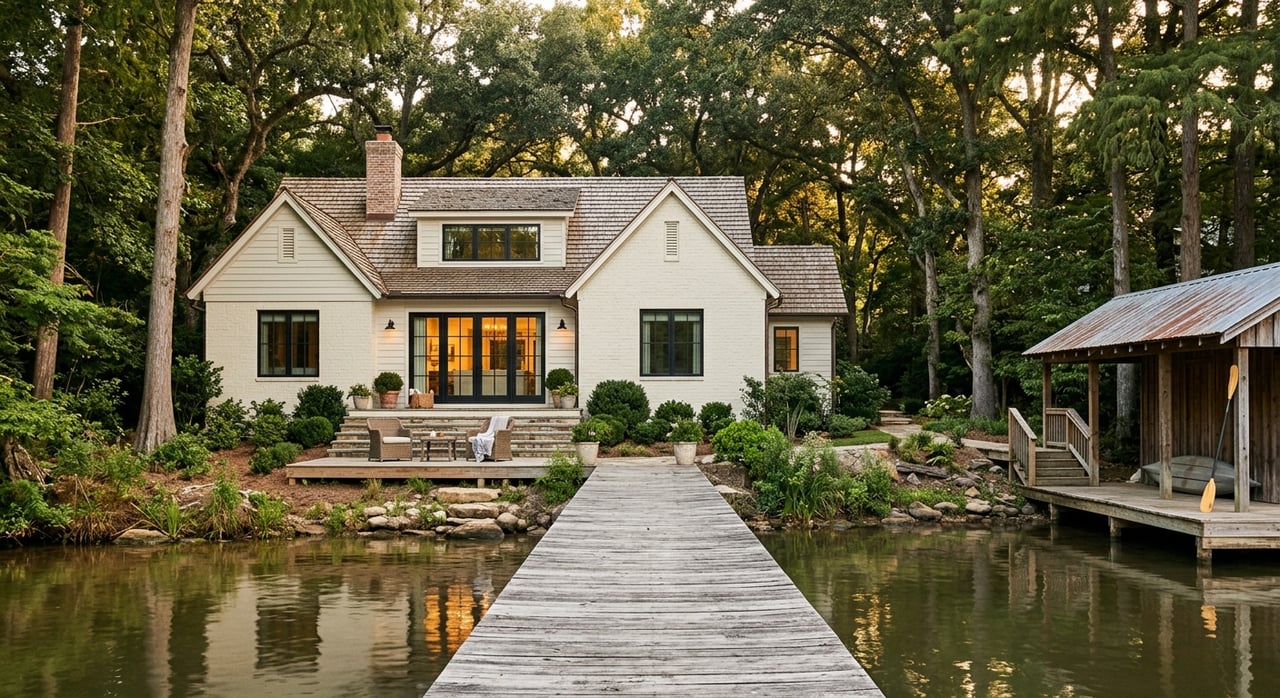
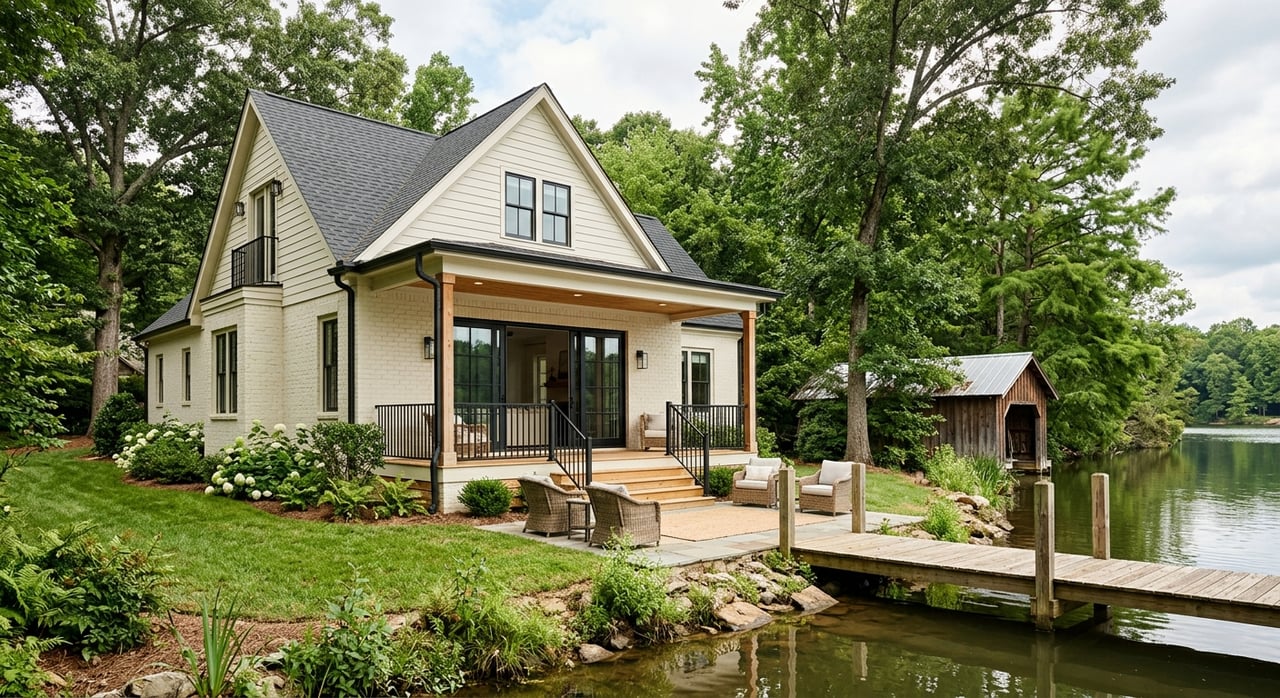
Lakefront living often appeals to buyers who want the most direct connection to the water. You may have daily views, quicker access to boating, and a property that feels like a retreat even during a normal workweek.
If your ideal morning includes walking out to the shoreline with a cup of coffee or getting on the water with minimal planning, waterfront ownership can be a strong fit. It can also suit buyers looking for a second home or future retirement property centered on recreation and scenery.
TPWD says Lake Palestine is especially popular for largemouth bass tournaments and supports bass, crappie, catfish, and white and hybrid striped bass. If fishing is a big part of your lifestyle, direct water access may feel worth the added complexity.
Lakefront Means More Due Diligence
Owning on the water is not the same as owning a standard inland lot. On Lake Palestine, the Upper Neches River Municipal Water Authority manages the lake as both a municipal water supply and a recreational reservoir.
That matters because certain improvements on Authority land require permits. The Authority’s rules specifically reference piers, boathouses, docks, bulkheads, canals, and fences, and floating structures must be securely moored. Open moorings are not allowed.
In simple terms, you should not assume every waterfront feature is automatic, transferable, or easy to change. If a property has shoreline improvements, you will want to confirm what is already permitted and what may need review.
Shoreline Homes Can Bring Extra Maintenance
Lakefront ownership can also mean more upkeep than many buyers expect at first glance. The same Authority rules require approved sewage disposal facilities for shore installations, marinas, and habitations on the watershed.
They also state that on-site sewage systems within 525 feet of the takeline require permitting and inspections. In addition, chemical, herbicide, or pesticide applications into the lake or onto Authority-controlled land need approval.
That does not make lakefront ownership a bad choice. It simply means your maintenance plan may involve more oversight and more property-specific questions than an off-water home would.
Water Levels and Flood Risk Matter
Another major difference is flood exposure and changing lake conditions. FloodSmart explains that homes in high-risk flood zones are in special flood hazard areas, and flood insurance is required for those properties when the mortgage is government-backed.
FloodSmart also notes that most homeowners insurance policies do not cover flood damage. Since flood risk can be affected by elevation and distance to water, a parcel-level review is important for any waterfront purchase.
TPWD also notes that Lake Palestine has a normal fluctuation of 2.2 feet. That may influence how a dock feels, where the visible shoreline sits, and how the property functions during different times of year.
What Off-Water Living Near Bullard Offers
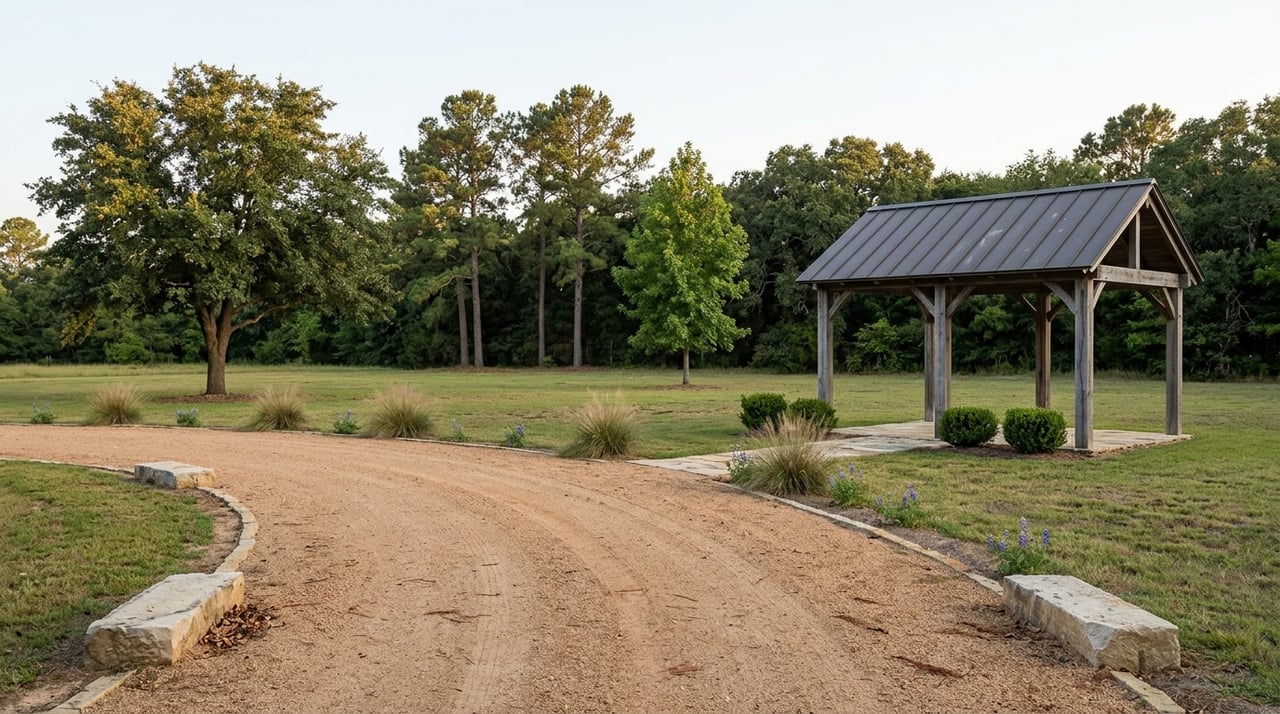
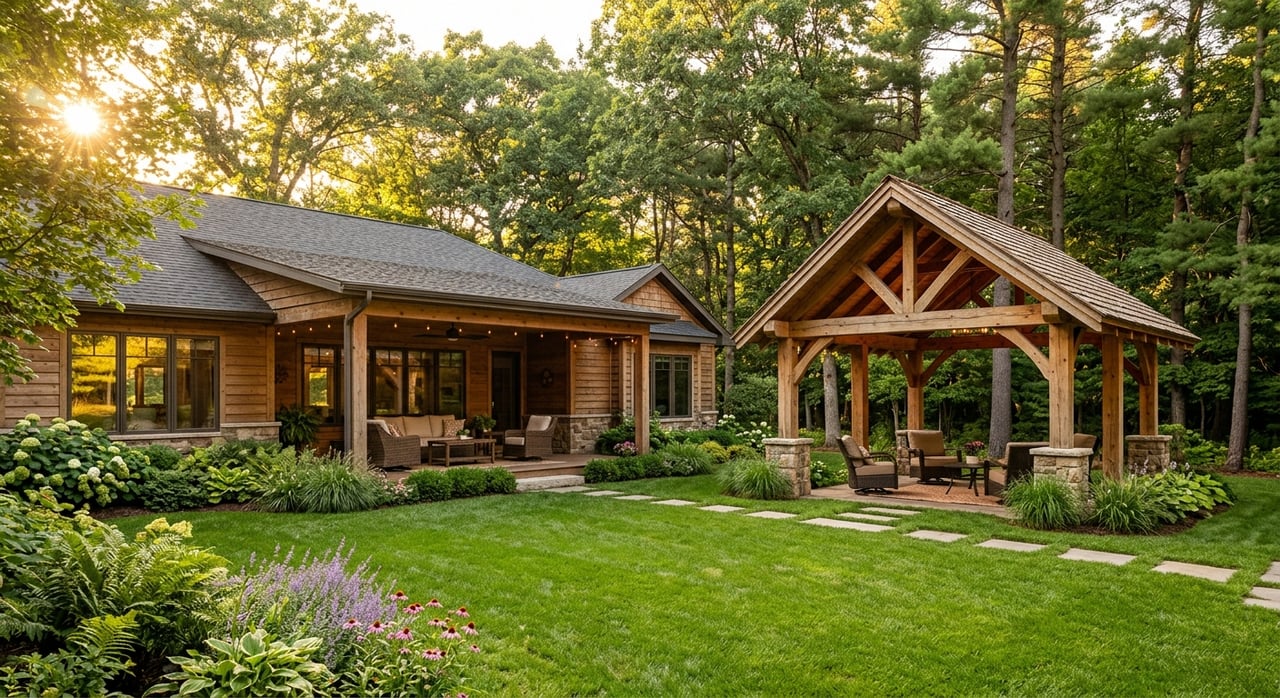
Off-water living is often the better fit if you want the lake lifestyle without shoreline ownership responsibilities. You can still enjoy boating, fishing, and weekends on the water while keeping your home setup more traditional.
For many buyers, that means a simpler ownership experience. You may have a more standard lot shape, easier yard use, and fewer property improvements tied to shoreline rules.
Within Bullard, the city states that it provides water, sewer, drainage, and curbside garbage pickup services. That gives many in-town properties a more conventional utility setup than a shoreline parcel with takeline-related considerations.
You Can Still Access Lake Palestine Easily
Choosing off-water does not mean giving up the lake. TPWD’s access information shows five public boat launches around Lake Palestine, along with many private ramps and marinas.
Access points include Chandler River Park, Westberry Landing, Villages Marina, Kickapoo Ramp, Flat Creek Ramp and Marina, Lake Palestine Marina, and Cherokee Landing. For buyers who plan lake days rather than daily dock use, that level of access can be more than enough.
This is why off-water homes often work well for full-time residents who want convenience first. You still get the recreation, but your home itself may be easier to maintain and use year-round.
How To Decide Which Fits You
The right choice usually comes down to how you want the property to function in everyday life. A waterfront home can offer a stronger sense of place and direct shoreline use, but it often requires more planning, more due diligence, and more comfort with maintenance.
An off-water home can still support a lake-centered lifestyle while giving you a more familiar residential setup. If you value simplicity, standard utilities, and easier site planning, this option may feel like the better balance.
Ask These Questions Before You Buy
Whether you are looking at a luxury retreat, a full-time residence, or a future retirement home, these questions can help clarify the decision:
- Is the property in a FEMA flood zone?
- Does the parcel have permitted improvements such as a dock, bulkhead, boathouse, or septic system?
- How close is the nearest public launch or marina?
- Do you want daily water access or occasional weekend access?
- Will the home serve as a primary residence, second home, or long-term retreat?
These questions matter because they reflect the real differences between direct waterfront ownership and living nearby.
A Quick Side-By-Side View
| Feature | Lakefront Living | Off-Water Living |
|---|---|---|
| Water access | Direct shoreline access | Access through public launches or marinas |
| Property complexity | Higher due diligence for shoreline features | Typically more conventional ownership setup |
| Maintenance | More shoreline and water-edge upkeep | Usually less specialized upkeep |
| Utilities and site planning | May involve takeline and permit considerations | Often more standard in-town or inland setup |
| Flood review | Especially important at parcel level | Still important, but often less tied to shoreline conditions |
| Best fit | Buyers wanting daily lake use and views | Buyers wanting flexibility and simplicity |
What Many Bullard Buyers Find
Many buyers near Bullard are not choosing between a good option and a bad one. They are choosing between two different versions of the Lake Palestine lifestyle.
If your priority is waking up to water views and stepping quickly onto a dock or boat, lakefront may be the right path. If your priority is easier ownership with dependable lake access nearby, off-water living may deliver the better overall fit.
The key is matching the property to your lifestyle, not just to the listing photos. Around Bullard and the Lake Palestine corridor, that kind of property-level guidance can make all the difference.
If you are weighing lakefront versus off-water living near Bullard, Jana Dillard can help you compare properties, spot the details that matter, and find the setup that fits the way you want to live.
FAQs
Is lakefront living near Bullard more complicated than off-water living?
- Yes. Lakefront homes on Lake Palestine can involve added permit review, shoreline rules, maintenance considerations, and flood-risk due diligence.
Can you enjoy Lake Palestine without owning waterfront property?
- Yes. TPWD lists multiple public boat launches and many private marinas around Lake Palestine, so off-water owners can still enjoy boating and fishing.
What should you verify before buying a Lake Palestine waterfront home?
- You should verify flood-zone status, permitted shoreline improvements, septic or sewage requirements, and how the property functions at the parcel level during normal lake fluctuations.
Does Bullard offer standard city utility services for in-town homes?
- Yes. The City of Bullard states that it provides water, sewer, drainage, and curbside garbage pickup services.
Who is off-water living near Bullard best for?
- Off-water living often fits buyers who want easier upkeep, a more traditional yard and home setup, and practical access to Lake Palestine without direct shoreline ownership.