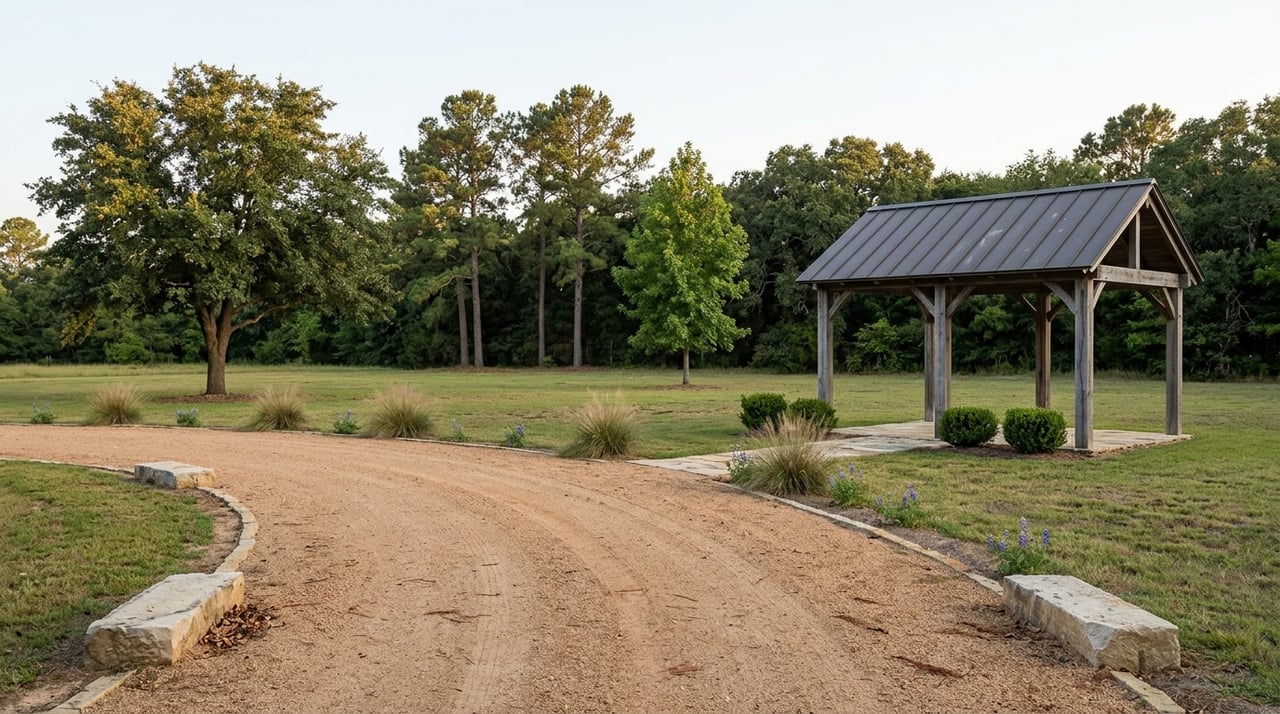
Dreaming about a few acres near Bullard where you can fish on the weekend, set up a campfire, clear a future homesite, or simply enjoy more room to breathe? You are not alone. Small acreage in the Bullard area appeals to buyers who want recreation, flexibility, and a connection to Lake Palestine without taking on a full ranch property. This guide will help you understand what to look for, what can affect value, and how to approach due diligence before you make an offer. Let’s dive in.
Why Bullard Appeals to Recreation Buyers
Bullard sits on the Smith and Cherokee county line, roughly between Tyler and Jacksonville, with strong ties to Lake Palestine. That location gives you access to a lake-oriented lifestyle while still keeping everyday conveniences within reach.
Lake Palestine adds a major recreational draw to the area. Texas Parks and Wildlife lists the reservoir at 25,560 acres, which helps explain why many buyers focus on small tracts for weekend use, hobby recreation, or future building plans instead of large agricultural operations.
In today’s market, Bullard-area land can range from small waterfront lots under 1 acre to wooded homesites around 1 to 3 acres, along with 5 to 11 acre tracts that may offer more room for trails, a cabin site, or light rural use. That variety means you need to look beyond acreage alone when comparing properties.
What Drives Small Acreage Value
A 2-acre tract is not automatically worth more than a 1-acre tract in the Bullard area. In many cases, the real difference comes down to usability and finish level.
Some of the biggest value drivers include:
- Road frontage and legal access
- Lake frontage or lake adjacency
- Existing clearing or a cutout for a homesite
- Utility availability
- Survey status
- Drainage and topography
- Deed restrictions or subdivision controls
For recreation buyers, a tract that already has access, usable terrain, and utility options may be more practical than a larger tract that still needs major work. A lower asking price can quickly lose its appeal if you later discover you need driveway work, septic testing, or expensive utility extension.
Start With Access, Survey, and Title
Before you get attached to a property, confirm that you can legally and practically use it. A current survey is one of the most important early documents because it helps verify boundaries, acreage, encroachments, legal access, and rights-of-way.
The Texas General Land Office land-loan checklist offers a useful standard for recreational land buyers. It requires legal, usable access to a public road, and notes that access should be at least 60 feet wide or meet county width requirements. It also expects a property description backed by a survey or recorded plat.
This matters because online parcel maps are only screening tools. Smith County Appraisal District specifically notes that its online maps are approximate and should not be treated as an on-the-ground survey.
Title review also deserves close attention. You want to understand ownership history, easements, deed restrictions, liens, leases, and property tax status before closing.
The Office of Public Insurance Counsel explains that title insurance can protect against existing issues at purchase, including liens, unpaid property taxes, fraud, or unknown heirs. At the same time, Texas A&M AgriLife warns buyers not to assume that mineral rights, groundwater rights, surface water rights, or wind rights automatically transfer with the land.
Check Water, Septic, and Drainage Early
Many small-acreage deals look simple at first, then become more complicated once you investigate utilities. In the Bullard area, utility availability is parcel-specific.
Smith County water-planning materials list the City of Bullard system along with several rural water utilities and MUD systems. The City of Bullard also publishes a drinking water quality report and water and wastewater rates, confirming that city service exists for some properties, but not every tract near town will have those connections.
If a property is not on public sewer, septic feasibility becomes a critical step. The Texas Commission on Environmental Quality says an OSSF permit is required for a septic system, and the site must first be evaluated by a licensed site evaluator or licensed professional engineer.
That means a tract can appear buildable during a casual visit but still have issues with soils, slope, setbacks, or drainage. If you hope to add a cabin, RV setup, or future home, this is worth checking before you finalize the purchase.
Flood exposure should also be part of your review. FEMA’s Flood Map Service Center is the official public source for flood-hazard information, and buyers should also confirm whether local floodplain rules apply if a tract falls within city limits or Bullard’s ETJ.
Understand Bullard’s City and County Layers
One of the most important local details is that Bullard spans the Smith and Cherokee county line. A property with a Bullard address may not follow the same tax, appraisal, or review path as another tract just a few minutes away.
That is why you should confirm the exact county, appraisal district, and jurisdiction for the parcel you are considering. The answer can affect how you approach permits, taxes, and development questions.
Bullard’s Planning and Zoning Ordinance governs land use inside city limits and also sets development standards in the city’s ETJ. The city’s permits page shows that construction permitting is an active local process, so it is smart to find out early whether the tract is:
- Inside Bullard city limits
- Inside Bullard’s ETJ
- Outside both and under county-level rules
That distinction can shape what you can build, what approvals you may need, and how much flexibility the tract offers for recreational use.
Plan for Light Improvements and Ongoing Costs
When buyers picture recreational acreage, they often focus on the fun part first. Maybe you want a gate, a gravel drive, a fire pit area, a small clearing, or fencing for privacy.
Those upgrades are common, but they cost money and time. Texas A&M AgriLife recommends budgeting for surveys, title work, fencing, water infrastructure, access improvements, property taxes, and insurance.
It is also wise to study the land itself. Soil type, vegetation, rainfall, topography, and drainage all affect how usable the property will be for gardening, pasture, trails, wildlife activity, or a future homesite. Practical tools mentioned in the research include the NRCS Web Soil Survey and Texas A&M’s soil-testing lab.
Do Not Assume Ag Valuation Transfers
Some buyers are drawn to acreage because they hope for lower property taxes through agricultural valuation. That can be helpful, but it is never something to assume.
The Texas Comptroller says qualified agricultural land is appraised under Chapter 23 rules, and rollback tax can apply when use changes. Texas Parks and Wildlife also notes that wildlife-management conversion is only available for land already appraised as agricultural or timberland.
In plain terms, if tax valuation matters to you, verify the property’s current status, its qualifying use history, and whether your intended use would support that valuation going forward. A weekend recreation tract may not fit the same profile as a property with an established qualifying agricultural use.
Ask About Electric and Emergency Services
If you are buying rural land for weekend use, practical service questions matter just as much as scenic appeal. Bullard is in Oncor’s certified electric delivery area, and Oncor explains that customers choose a retail electric provider in competitive areas while Oncor handles electric delivery.
For raw or lightly improved tracts, you should verify meter availability and ask about any line-extension costs before closing. Nearby power does not always mean inexpensive connection.
Emergency access also matters. The Bullard Volunteer Fire Department reports that it has served the city and surrounding communities in Smith and Cherokee counties since 1955, operating from two stations and covering about 92 square miles. That provides a meaningful service framework, but you still need to review your property’s site access and layout.
Build a Smarter Offer Strategy
When you buy small acreage near Bullard for recreation, your offer should reflect more than the list price. A tract may seem attractive at first glance, but unfinished items can change the real cost quickly.
A stronger offer strategy often starts with identifying what still needs to be solved, such as:
- Missing or outdated survey
- Unknown septic feasibility
- No confirmed water source or meter
- Drainage concerns
- No established driveway or entrance
- Utility extension needs
- Restrictions that limit your intended use
This approach helps you negotiate from facts rather than feelings. If you can clearly document what the property still needs, you are in a better position to evaluate value and decide whether the asking price makes sense.
A Simple Bullard Acreage Checklist
If you want a straightforward way to evaluate recreational land, start with these five questions:
- Can you legally get to it?
- Can you build on it if your plans change later?
- Can you get water to it?
- Can it support septic or another approved wastewater solution?
- Can you comfortably carry the taxes, insurance, and upkeep if it remains a weekend property?
If those answers are not fully documented, it is best to treat the tract as a speculative land purchase instead of a ready-to-use retreat.
The right small acreage near Bullard can give you a peaceful East Texas escape, room for outdoor hobbies, and long-term flexibility near Lake Palestine. The key is making sure the land fits your goals on paper as well as in person. If you want help comparing tracts, spotting red flags early, or finding the right recreational property in the Bullard and Lake Palestine corridor, reach out to Jana Dillard.
FAQs
What makes small acreage near Bullard attractive for recreation?
- Bullard offers access to Lake Palestine, a location between Tyler and Jacksonville, and a mix of wooded, pasture, and waterfront tracts that can work well for weekend use, outdoor hobbies, and future homesites.
What should you verify before buying recreational land near Bullard?
- You should confirm legal access, survey accuracy, title issues, utility availability, septic feasibility, drainage, flood exposure, and any deed restrictions or local development rules that apply to the specific parcel.
Why does the county matter when buying land in Bullard?
- Bullard sits on the Smith and Cherokee county line, so the county can affect appraisal district records, tax handling, and which local rules or review processes apply to the tract.
Can a small acreage tract near Bullard automatically keep agricultural valuation?
- No. Agricultural valuation depends on qualifying use and history, and a change in use may affect tax treatment or create rollback tax exposure.
How do you know if a Bullard-area tract can support septic?
- TCEQ requires an OSSF permit, and the site must be evaluated by a licensed site evaluator or licensed professional engineer before a septic system can be approved.
What local professionals help most with a Bullard land purchase?
- The most useful early contacts are typically a title company, surveyor, septic or site evaluator, raw-land lender, appraisal district, and local extension office.