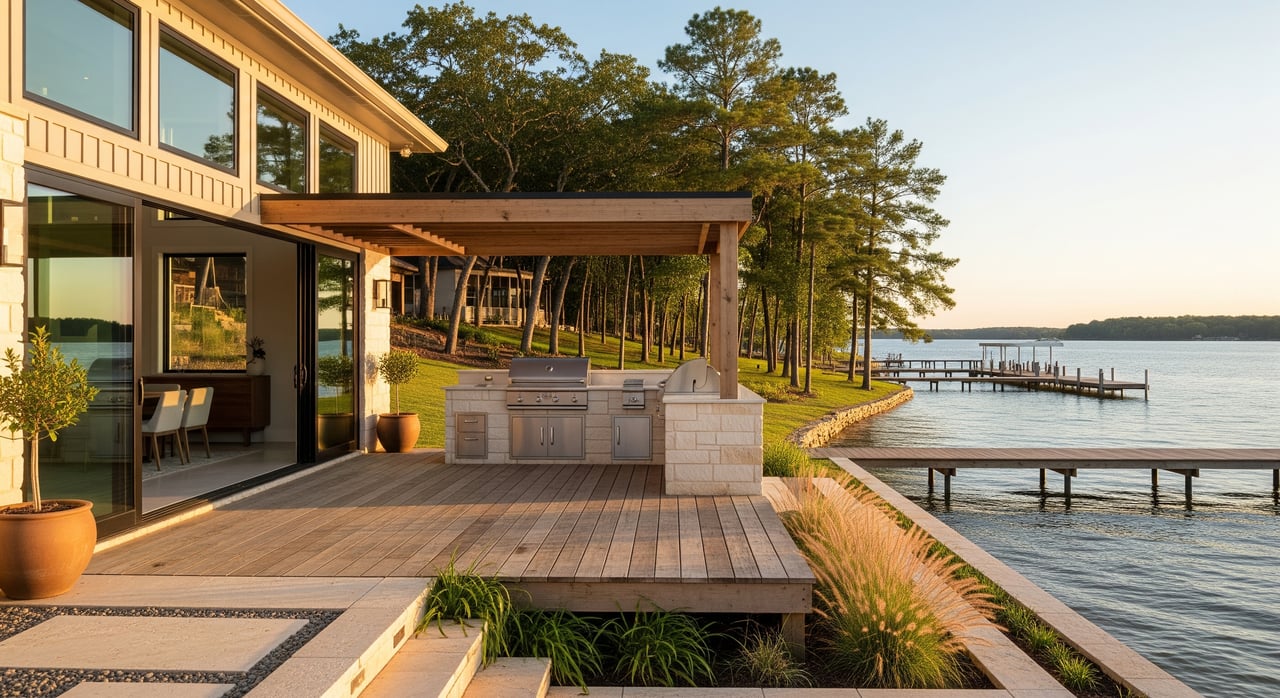
Thinking about selling your Lake Palestine home near Bullard but unsure which upgrades will actually pay you back? You are not alone. Lake buyers want outdoor living, easy water access, and clean, updated spaces, yet it is easy to overspend when your sale is only months away. In this guide, you will learn the high-ROI improvements that lift value, reduce buyer objections, and help you hit the market at the right time. Let’s dive in.
What Lake Palestine buyers expect
Lakefront buyers often prioritize ready-to-enjoy outdoor areas, safe and functional docks, a clean shoreline, and low-maintenance finishes. Inside, they prefer clean and refreshed kitchens and bathrooms over full remodels. Many are out-of-area or second-home buyers, so they pay a premium for move-in readiness and peace of mind. Spring and early summer usually deliver the strongest momentum for waterfront listings, so aligning your prep with that season can shorten days on market.
Dock and shoreline
Docks and shoreline conditions can make or break a lakefront sale. Focus on safety, function, and documentation before cosmetic upgrades.
- Low to Medium: Inspect and repair boards, railings, ladders, and fasteners. Power wash, stain or seal decking, and update cleats and bumpers. Add simple lighting for safety and ambiance. Keep invoices and a brief condition report.
- Permits and records: Gather any existing permits and maintenance logs. If you lack clear records, contact local permitting offices and be ready to disclose what you know.
- High: Consider a major dock rebuild, lift system, or composite decking only if nearby comps clearly support a premium and you have time for permitting and construction.
Pitfalls to avoid:
- Overbuilding custom docks that outpace neighborhood expectations.
- Ignoring permitting, which can reduce buyer confidence.
Outdoor living and landscaping
Buyers want to step outside and picture their first weekend on the lake. Create safe, low-maintenance spaces that show lifestyle without heavy upkeep.
- Low: Clear shoreline debris and overgrowth, mow and edge, trim trees, mulch beds, pressure wash hardscapes and siding, and stage simple seating.
- Medium: Resurface or repaint decks, add composite boards in high-traffic zones, install durable path lighting, and create defined paths to the dock with gravel or pavers. Choose native, drought-tolerant plantings.
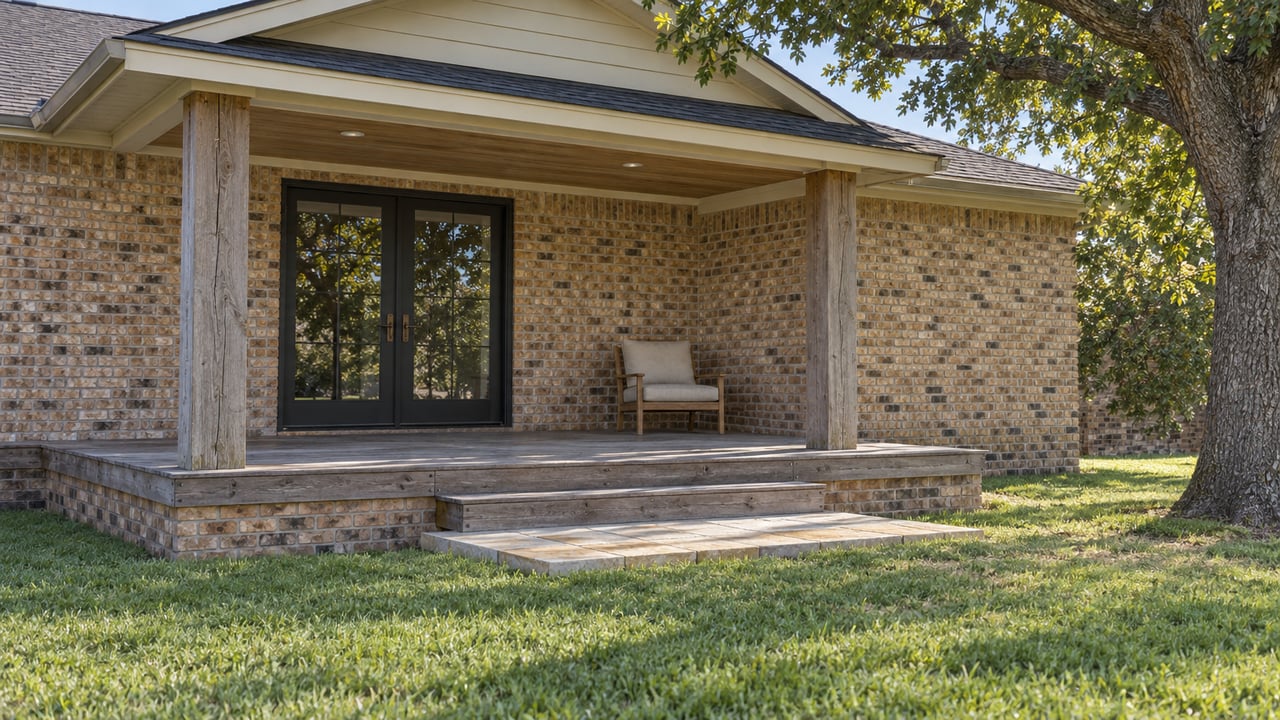
- High: Add a covered porch, gazebo, or outdoor kitchen only if area comparables support it.
Pitfalls to avoid:
- High water-use landscaping. Favor low-maintenance plantings and hardscape.
- Permanent additions without confirming permit requirements.
Curb appeal and entry
First impressions shape how buyers perceive condition and value. Small upgrades often deliver outsized returns.
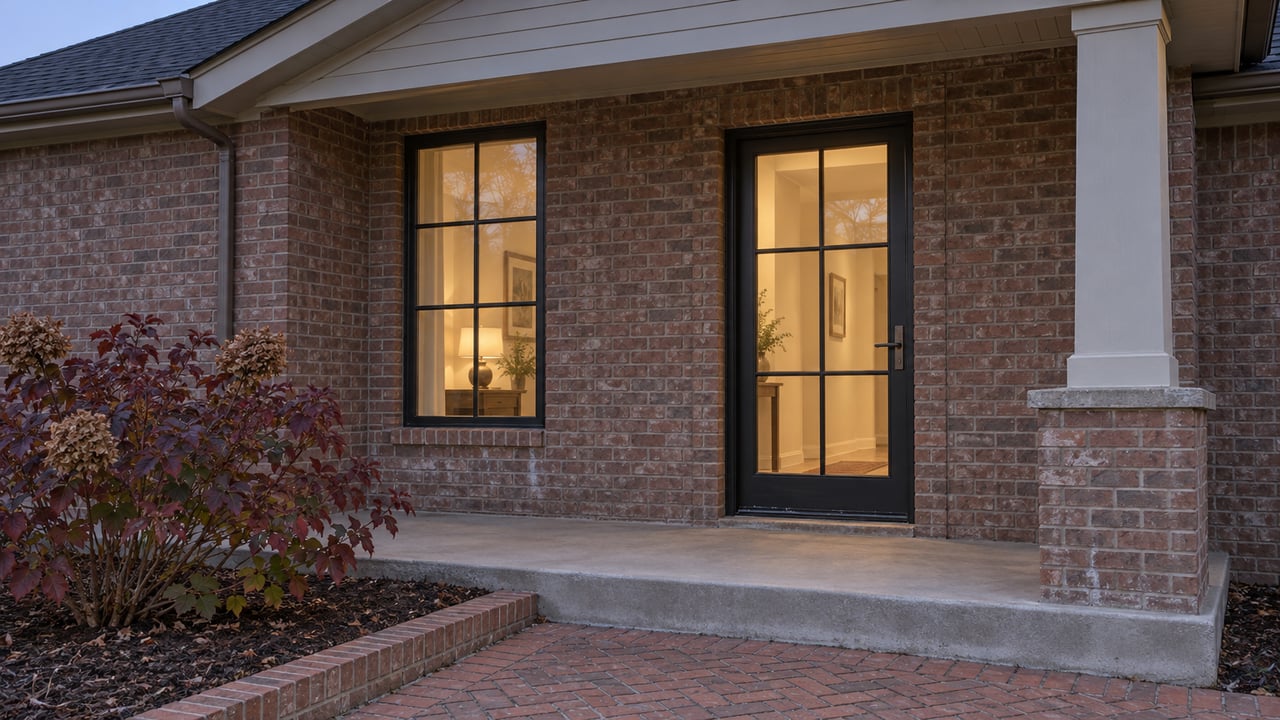
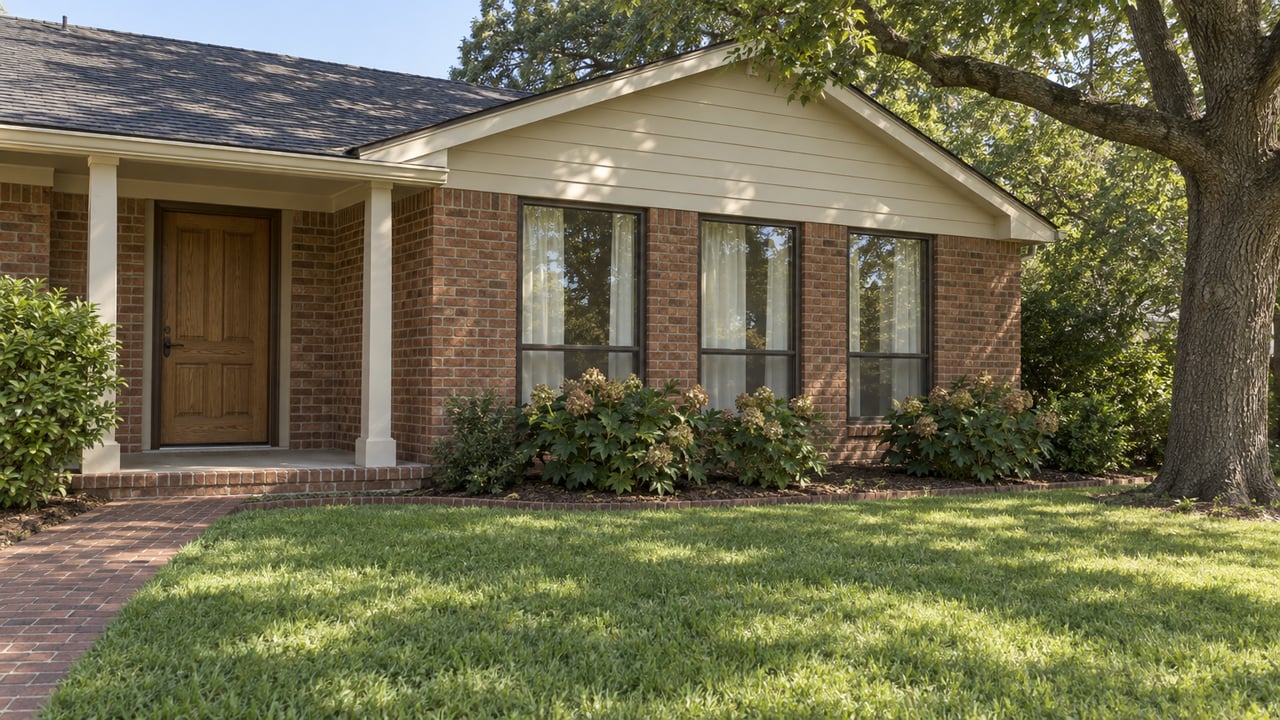
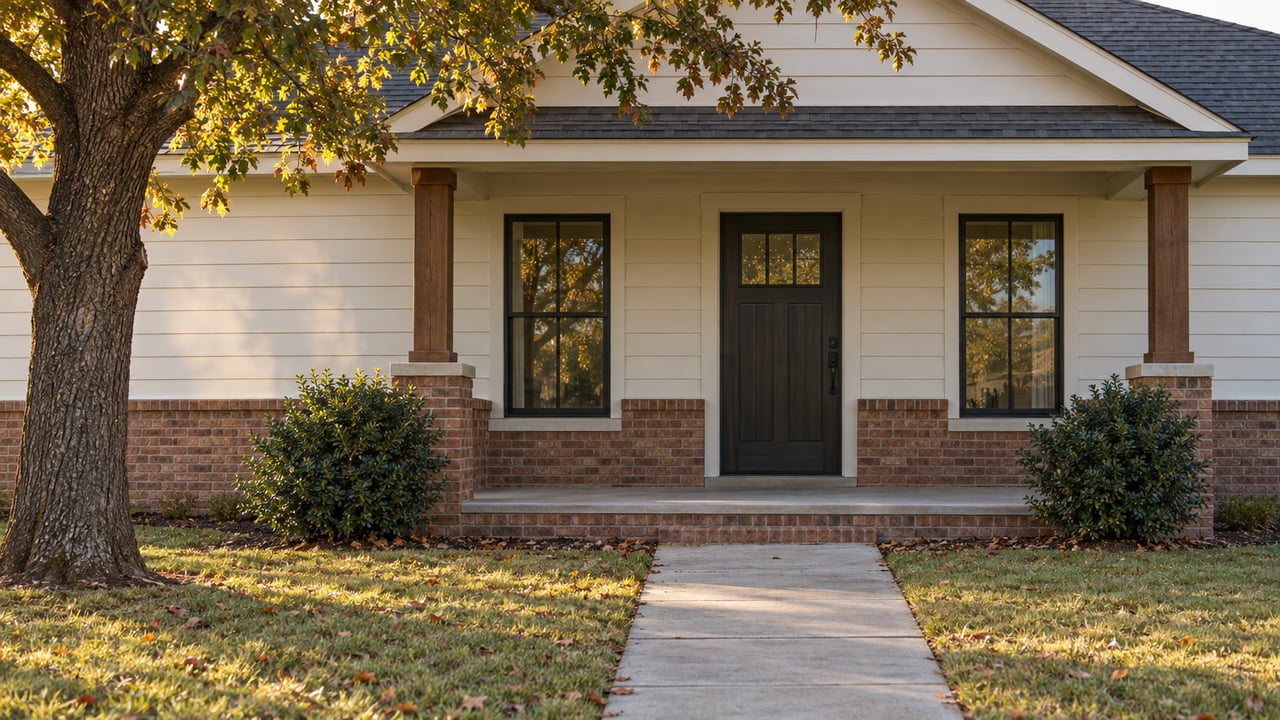
- Low: Fresh mulch, pruned shrubs, cleaned windows and gutters, a repainted front door, and new house numbers.
- Medium: Update exterior lights, repair walkways, and refresh or replace a dated garage door.
- High: Full re-siding only if the exterior is visibly damaged or very dated and comps show clear benefit.
Kitchens and baths
Buyers want clean, updated spaces, not lengthy remodels. Target quick wins that read modern and fresh.
- Low: Deep clean, re-caulk and re-grout, swap dated lightbulbs for warm LEDs, update faucets and cabinet hardware, and repaint cabinets where needed.
- Medium: Replace worn countertops, upgrade mid-range appliances if failing, install a new vanity, or update small-area flooring.
- High: Full remodels are rarely necessary within a short timeline unless your price segment demands it and comps prove a premium.
Systems and maintenance
Big-ticket systems are top of mind for buyers. Service, documentation, and transparency reduce negotiation friction.
- Low: Service HVAC, pump and inspect septic if applicable, and get a roof check with minor repairs. Keep receipts and any warranties.
- Medium: Replace failing HVAC or an aging roof when it is likely to become an immediate buyer expense. Document permits and warranties.
- Disclose: Be open about known issues and recent repairs to build trust.
Staging and interiors
Staging helps buyers visualize the lifestyle and often speeds up sales.
- Low: Deep clean, declutter, depersonalize, neutralize strong paint colors in key rooms, and update light fixtures and switch plates.
- Medium: Consider professional or virtual staging, especially if the home is vacant.
Your 3–12 month plan
Use this simple sequence to organize work and budget.
- Immediate (0–4 weeks): Safety fixes on dock and deck, deep clean and declutter, curb tidy, service HVAC, septic pump/inspection, roof check, and gather permits, warranties, and records.
- Short-term (4–8 weeks): Dock cosmetic refresh, shoreline cleanup, curb appeal tune-up, and light kitchen and bath updates such as hardware and lighting.
- Medium-term (8–16 weeks): Contractor projects like deck resurfacing, composite decking near the dock, and countertop replacements. Proceed with permit-dependent work only if timing is realistic.
- Conditional (16+ weeks): Large upgrades such as full dock rebuilds, a new roof, or a full kitchen remodel only if local comps show a consistent premium and your timeline allows it.
Budget guidance:
- Low budget: 60 percent to staging, curb appeal, and dock safety; 40 percent to service and maintenance.
- Moderate budget: 40 percent to outdoor and dock refresh, 30 percent to kitchen and bath cosmetics, 30 percent to systems and inspections.
- Higher budget: Consider outdoor-living enhancements and dock improvements if neighborhood expectations and comps support the spend.
Before committing funds, compare the expected price impact to the cost. If the likely price bump is less than cost plus selling expenses, rethink the project.
Permits, flood, and records
Lake parcels may sit in a flood zone and require flood insurance. Confirm your FEMA flood zone and keep any elevation certificate on hand. Many properties use septic systems, so recent pump and inspection records are valuable. Docks and shoreline work can involve permitting with the City of Bullard or Cherokee County. Depending on scope, state or federal oversight may apply. Check with the Texas Commission on Environmental Quality and the U.S. Army Corps of Engineers when work may affect shorelines or navigable waters. If your property has an HOA or deed restrictions, verify rules on docks, lifts, rentals, and setbacks before starting projects.
Documentation to gather now:
- Dock permits, maintenance logs, and contractor invoices.
- Flood zone details and insurance history. Include any elevation certificate.
- Service records and ages for roof, HVAC, electrical, plumbing, and septic.
- HOA covenants or deed restrictions.
Prep for buyer questions
Buyers commonly ask about dock permits and condition, flood risk and insurance, system ages, shoreline usability through the year, HOA rules, and recent maintenance. Create a simple packet with permits, receipts, inspection reports, and a one-page summary of recent work to boost confidence and speed due diligence.
Photos and timing
Schedule exterior photos on a clear day and stage outdoor spaces to highlight the lake lifestyle. Twilight photos can showcase lighting on paths, decks, and docks. If you can target a spring or early summer launch, align project timelines so the property is ready for peak interest.
Next steps
If you are 3 to 12 months from listing, prioritize safety and documentation first, then focus on outdoor living, curb appeal, and light kitchen and bath refreshes. Use local comps to decide whether bigger projects make sense for your segment on Lake Palestine. When you are ready to map the right scope and sequence for your address, connect with Jana Dillard for a tailored plan and premium marketing that reaches local and out-of-area lake buyers.
FAQs
What upgrades add the most value for Lake Palestine sellers?
- Safety and function on the dock, outdoor living refresh, strong curb appeal, and targeted kitchen and bath updates typically deliver the best return within a short timeline.
How should I decide between repairing or rebuilding my dock before selling?
- Start with safety repairs and documentation, then compare costs to neighborhood comps; rebuild only if the market shows a clear premium and you can secure permits and finish in time.
Do I need permits for shoreline or dock work near Bullard?
- Many projects do. Confirm requirements with the City of Bullard or Cherokee County and check state or federal oversight when work affects shorelines or navigable waters.
Will flood zone status affect my sale and insurance?
- Yes. Know your FEMA flood zone, keep any elevation certificate and insurance history, and share this information early to help buyers plan.
What records should I provide to lakefront buyers?
- Dock permits and invoices, recent HVAC and roof service, septic pump and inspection, flood and insurance details, and any relevant HOA or deed restrictions.