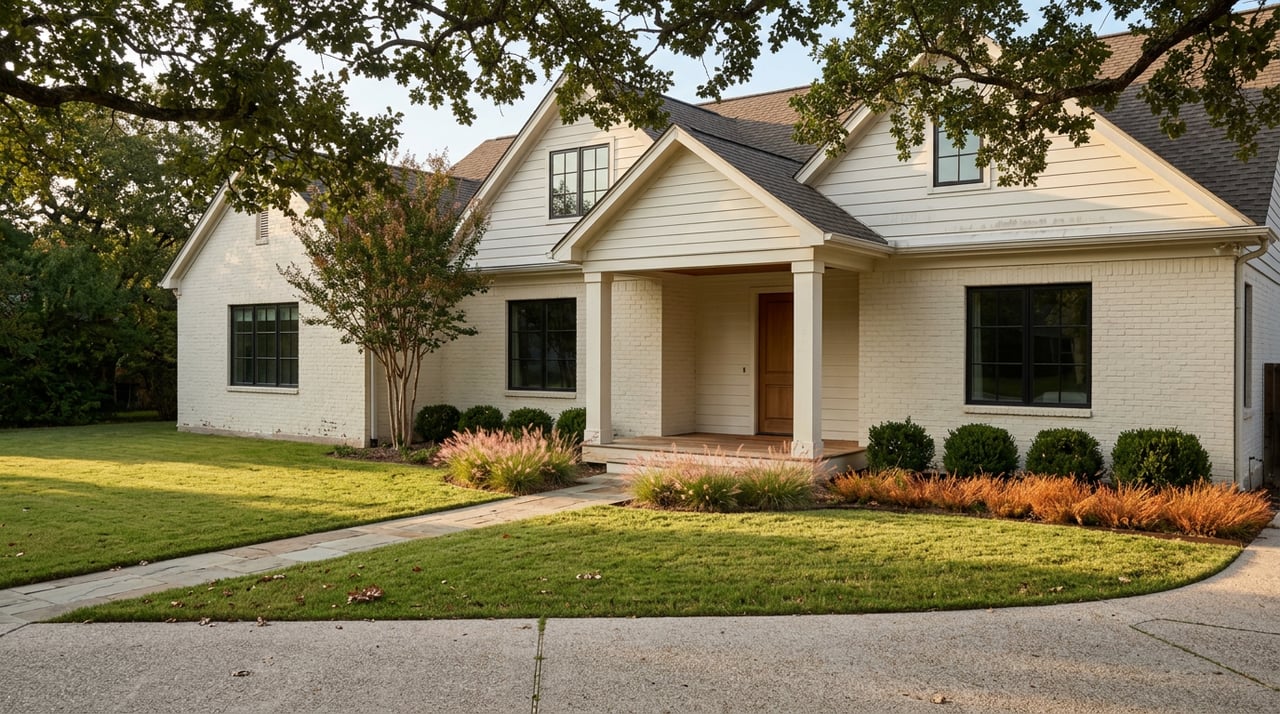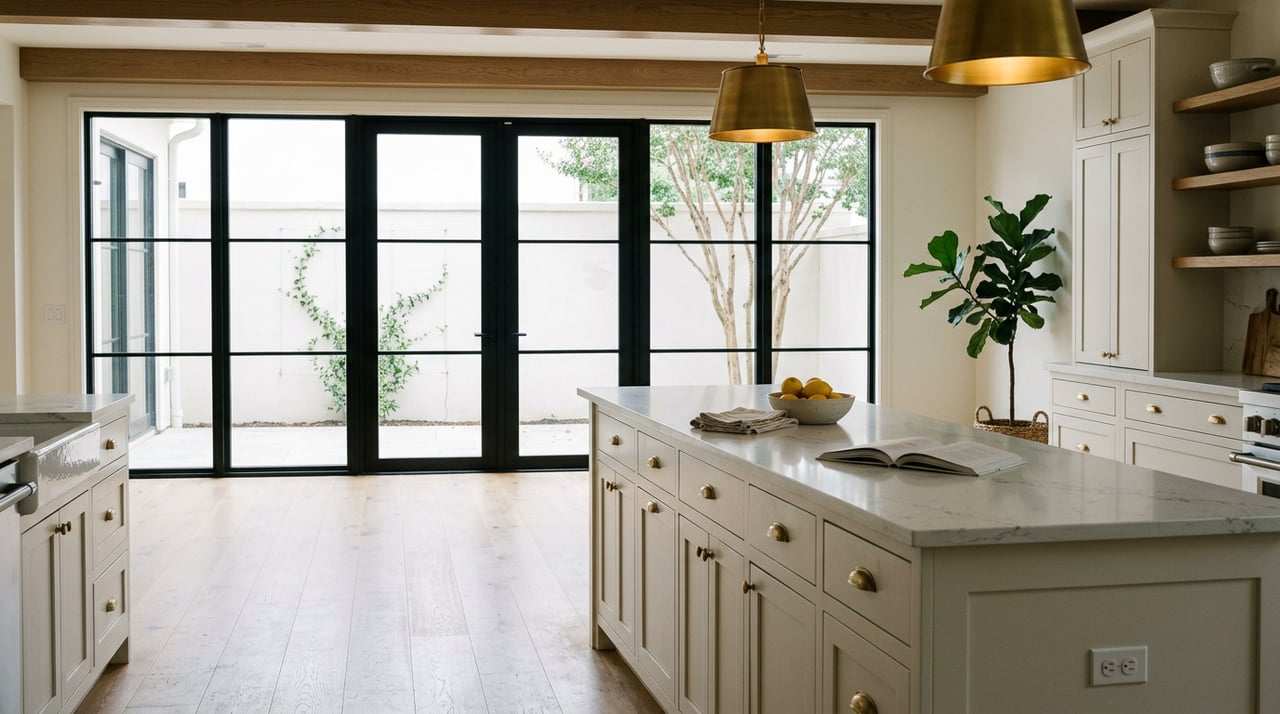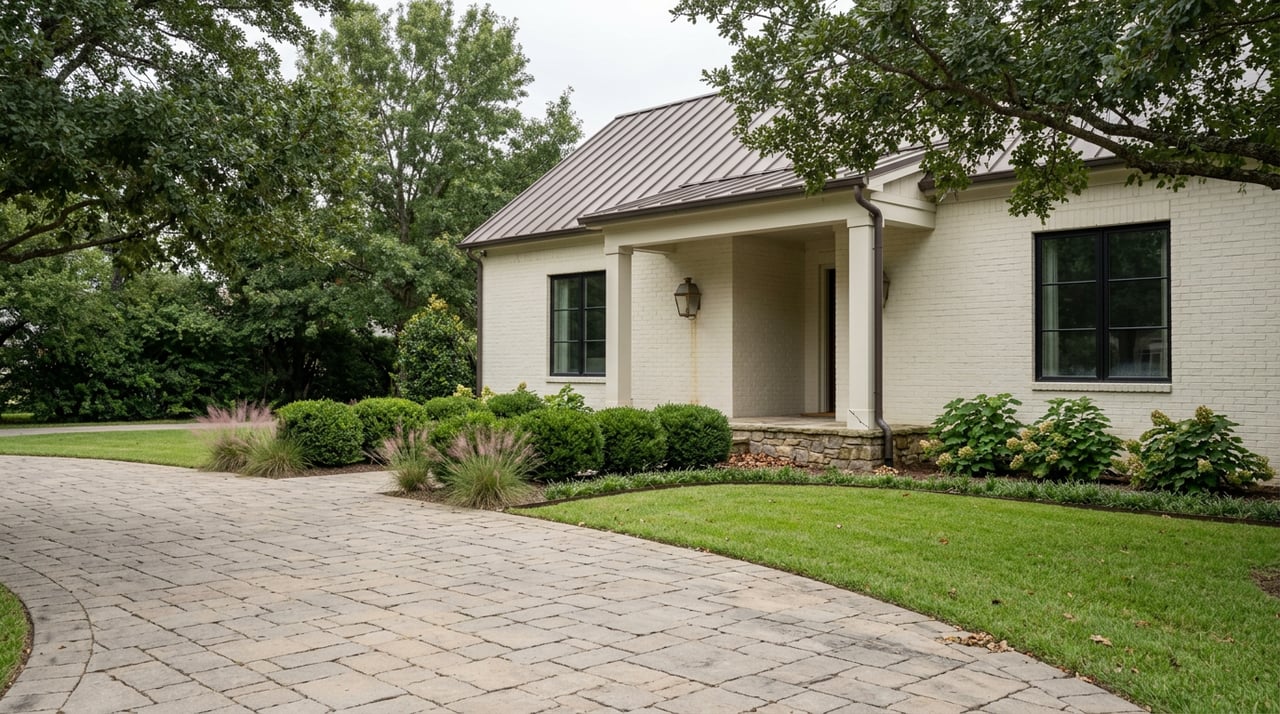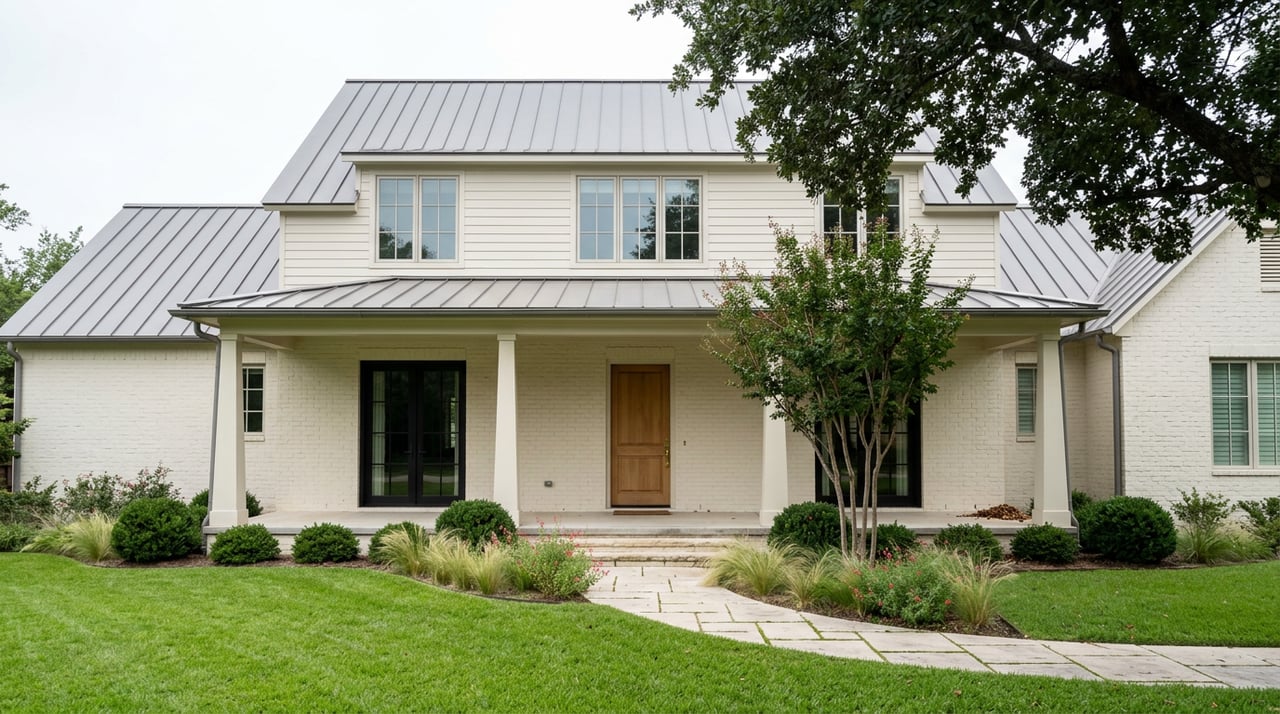
Two closings on the same Smith County MLS, in the same season, tell two different stories. A home on Fox Trail in Flint sat for 208 days before it closed in July 2025. During that same stretch, a home on Fairway Drive in Bullard sold in 20 days, and another on Gatlinburg in Bullard closed in 47 days. Same county, same market cycle, same access to buyers browsing the same listings. One property waited seven months. The others were gone before most sellers finish staging their photos.
If you're weighing a sale in Flint this fall, that gap matters more than the median price on any portal. It isn't a verdict on Flint as a place to live. It's a signal about what kind of inventory sells fast right now and what kind doesn't, and that distinction changes how you should price and market a home there.
Two headline numbers that don't agree with each other
Pull the current numbers for Flint and you'll notice they don't quite line up. As of August 2026, the median list price for homes in Flint sits close to $395,000 to $399,000, with days on market running around 91 to 92, essentially flat compared to a year earlier. At the same time, the average home price across Flint listings that same month runs closer to $546,000, even though price per square foot across both figures lands close together, around $210.
A median in the high $300,000s and an average well into the mid $500,000s aren't a rounding error. That spread means Flint's inventory isn't one market moving at one speed. It's a blend of smaller, more standard resale homes that price and sell more predictably, and a meaningful share of larger, more distinctive properties on FM and county road frontages that pull the average upward without moving the median much at all. Those two groups don't compete for the same buyer, and they don't sell on the same timeline.
The closings that explain the gap
Here's the side-by-side from that July 2025 batch of Smith County sales:
| Property | City | Days on Market | Sold |
|---|---|---|---|
| Fox Trail | Flint | 208 | July 2025 |
| Fairway Drive | Bullard | 20 | July 2025 |
| Gatlinburg | Bullard | 47 | July 2025 |
The Bullard homes weren't necessarily cheaper or more polished. They were competing in a lane with more buyers standing in it. The Flint home was competing in a lane with far fewer.
Why Bullard's clock runs faster
A lot of Bullard's fastest-moving inventory right now is new construction. Subdivisions like Brookeshire and The Estates at Stone Creek, both in Bullard ISD, have been closing homes in the $325,000 to $500,000 range with builder incentives attached, including rate buydowns that lower a buyer's effective mortgage rate for the first year or two of the loan. That single detail does more to shrink days on market than almost anything else in the transaction. A buyer who couldn't quite qualify at the sticker rate suddenly can. A buyer comparing three similar floor plans picks the one with $10,000 in closing costs covered. The pool of qualified, motivated buyers gets wider, and homes clear it faster.
The broader Tyler-area market backs this up. As of April 2026, median days on market across the region had dropped to 52 days, down from 62 a year earlier, even as inventory expanded. More homes for sale usually means longer waits. Here it meant the opposite, because builders were actively removing the financing friction that normally slows a purchase decision down.
Why Flint's clock runs slower, and why that isn't a warning sign
Flint's larger, more individual properties don't have a builder standing behind them offering to buy down anyone's rate. They also don't have a dozen nearly identical comps down the street to anchor a buyer's sense of fair value. Each one is priced against the seller's own sense of what it's worth, and that's where the real friction shows up.
Texas A&M's Real Estate Research Center has tracked this same pattern through the rural and land market all year. As of the second quarter of 2026, researchers describe sellers of distinctive properties as still anchored to the pricing they remember from the 2022 to 2023 peak, even as buyer expectations have moved on:
"Sellers, anchored to peak 2022-23 valuations, often have unrealistic expectations."
The same research is just as clear about the other side of that coin: well-priced, well-featured properties still move quickly. The problem isn't that unique inventory can't sell fast. It's that pricing a one-of-a-kind property against a memory of 2022 comps, rather than against what buyers are actually paying in 2026, is what stretches 47 days into 208.
Statewide context makes the gap even more visible. Homes that sold in June 2026 spent an average of 62 days on the market across Texas, with typical seller price cuts running about $12,000, or 3.3 percent of the original list price. A Flint listing running 30 days longer than that statewide figure isn't unusual for the property type. It's the expected cost of being one of a kind in a market where most of the fast-moving comps are subdivision homes with financing incentives attached.
What this means if you're pricing a Flint home this fall
The instinct to compare your Flint listing against Bullard's pace, or against the statewide average, is understandable and also the wrong benchmark. A few things matter more:
- Price against the true comp set. A custom home on five acres in Flint should be priced against other custom acreage properties that have actually closed recently, not against subdivision resales or Bullard new construction with a builder incentive baked in.
- Expect a longer runway and plan the marketing timeline around it, rather than treating day 60 or day 90 as a sign something is wrong.
- Widen the buyer pool deliberately. A property that only a handful of local buyers will consider needs exposure beyond the local MLS, including relocation and second-home buyers who aren't searching Smith County listings every day but would recognize the value of a Lake Palestine-adjacent property if it reached them.
That last point is where premium marketing earns its keep. A distinctive Flint property doesn't need more local eyes. It needs the right eyes, including the out-of-area and out-of-state buyers who make up a real share of demand for East Texas acreage and custom homes but never see a standard local listing feed.
A few questions Flint sellers tend to ask
Does 90-plus days on market mean my home is overpriced? Not automatically. It means your property is likely competing in Flint's slower-moving tier of distinctive, larger, or acreage-adjacent homes rather than the fast-turnover subdivision tier. The number becomes a concern only when it's paired with price cuts that keep chasing a falling market instead of meeting it.
Should I expect my Flint home to sell as fast as a Bullard subdivision listing? Only if it's a comparable, standardized product. If your home is genuinely distinctive, the more useful comparison is other distinctive properties that have recently closed, not the fastest movers in a neighboring new-construction community.
What actually shortens the timeline on a unique property? Pricing to current comparable sales rather than peak-era memory, and marketing that reaches buyers beyond the immediate local pool, since the buyer for a one-of-a-kind Flint property is often not searching Smith County listings at all.
If you're weighing whether to list a distinctive property in Flint this fall, or you want a read on what your specific home would actually compete against right now, Jana Dillard can walk through the comparable set with you and build a marketing plan sized to the buyer pool your home actually needs to reach. Book a consultation to get a straight answer before you set a price.