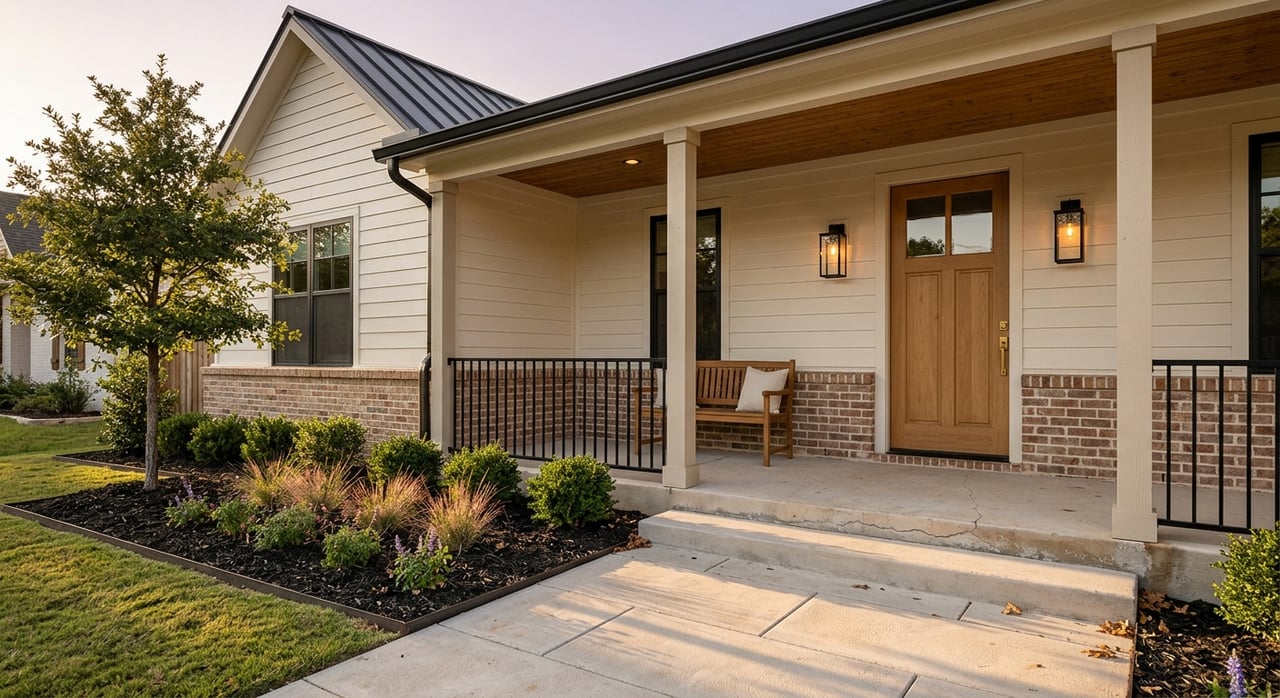
Thinking about a second home or a move-up purchase in Tyler? You are not alone. Whether you want more space, a better fit for your lifestyle, or a place in East Texas to enjoy part of the year, Tyler offers a mix of regional convenience and day-to-day livability that makes many buyers take a closer look. If you are planning a move from another city or buying your next home while keeping a current property in the mix, a few details can make a big difference. Let’s dive in.
Why Tyler draws relocating buyers
Tyler continues to stand out as a major center in East Texas. The city had an estimated population of 112,219 as of July 1, 2024, while Smith County reached 249,091, according to the U.S. Census QuickFacts for Tyler and Smith County. For many buyers, that means you get the benefits of a mid-sized city without giving up access to key services and infrastructure.
Tyler also describes itself as an economic hub in northeast Texas, with long-standing importance in manufacturing, health care, education, and retail. The city’s history highlights its rose-growing legacy, the Texas Rose Festival and Tyler’s regional role, which gives the area a distinct identity that many out-of-area buyers find appealing.
If you are relocating for convenience as much as lifestyle, local access matters too. Tyler Pounds Regional Airport provides a local air connection, and the city promotes its position as a regional center through its city government and community resources. That can be helpful if you expect regular travel or want a home base that feels connected.
Second home or move-up home?
Before you start touring homes, it helps to define what type of purchase you are making. A second-home purchase and a move-up purchase can look similar on the surface, but financing, taxes, and timing often work differently.
A second home is typically a property you will live in for part of the year. A move-up home is usually your next primary residence, often with more space, a different layout, or a better fit for your current needs.
That distinction matters because lenders and local tax rules may treat each purchase differently. If you are clear about your intended use from the beginning, you can avoid surprises later in the process.
What counts as a Tyler second home
If you are buying a second home in Tyler, the mortgage rules matter. According to Fannie Mae’s second-home guidelines, the property must be a one-unit dwelling that is suitable for year-round occupancy, occupied by you for some part of the year, and kept under your exclusive control.
Just as important, the property cannot be a rental property or a timeshare if the loan is being treated as a second-home loan. Fannie Mae also states that rental income from a second home generally cannot be used to help you qualify.
For buyers considering a part-time East Texas retreat, that means you should talk through your intended use early. If your long-term plan includes income-producing use, your financing path may be different than a standard second-home purchase.
What changes with a move-up purchase
A move-up purchase usually centers on your principal residence. In Texas, that matters because homestead rules apply to the home you own and use as your main residence.
The Texas Comptroller’s homestead exemption guidance explains that a residence homestead requires ownership and use as your principal residence. Smith County Appraisal District also notes in its exemptions information that you cannot claim a homestead exemption on another property and must provide Texas ID showing the homestead address.
If you are moving up in Tyler, your sale and purchase timeline matters. The Comptroller also notes that if you buy a property after January 1, you may still receive the exemption for the applicable portion of that tax year if the previous owner did not receive that same exemption.
Budgeting for the next step
Budgeting for a second home or a move-up home starts with understanding the local baseline. The Census reports a median owner-occupied housing value of $235,300 in Tyler and $240,700 in Smith County. Median household income was $67,486 in Tyler and $74,192 in Smith County, based on the same QuickFacts data.
Those numbers are not a price guide for every home, especially if you are looking at custom properties, acreage, or lifestyle homes. Still, they help frame the broader market and can be useful when you begin mapping out your cash needs and financing options.
You should also plan for closing costs. The Consumer Financial Protection Bureau says closing costs typically run about 2 to 5 percent of the purchase price, not including your down payment.
Texas property taxes and homestead rules
Texas property tax is local, not state-level. The Texas Comptroller’s property tax overview explains that there is no state property tax, and local taxing units set their own rates.
For a principal residence, school districts must provide a $140,000 homestead exemption, and some local taxing units may offer additional optional exemptions. If Tyler will become your main home, this can be an important piece of your long-term cost picture.
If you are buying a second home in Tyler, those principal-residence homestead benefits generally would not apply in the same way. That is one reason it is important to decide early whether the property is truly your next main residence or a second home.
Timing matters for some move-up buyers
If you are age 65 or older, or if disability-related exemptions apply, timing can become even more important. Smith CAD notes that school-tax ceilings may transfer when qualifying homeowners move to another Texas home. It also says county, city, and junior-college ceilings transfer only within the same taxing unit.
That means your closing schedule may affect how smoothly those benefits carry over. For some move-up buyers, coordinating the sale of the current home and the purchase of the next one is not just about convenience. It can also affect tax planning.
Remote buying is realistic in Tyler
If you are relocating from Dallas-Fort Worth, another part of Texas, or out of state, Tyler is well-positioned for a more digital home search. The Census reports broadband subscriptions in 90.8 percent of Tyler households and 90.6 percent of Smith County households, based on the same QuickFacts report.
That level of connectivity supports virtual tours, digital document sharing, and many of the day-to-day steps that help out-of-area buyers keep moving forward. It does not replace in-person due diligence, but it can make the early and middle stages of the process much easier.
Texas also allows online notarization through a commissioned online notary using audio-visual conference rather than physical appearance. Depending on your lender and title company, some closing steps may be handled remotely, which can be especially useful when you are coordinating a purchase from outside the area.
How to protect yourself during closing
A remote purchase can be efficient, but it also requires extra care. The CFPB’s closing guidance recommends scheduling a home inspection, shopping for homeowner’s insurance and title insurance, and completing a final walk-through before closing.
The CFPB also says your lender must provide the Closing Disclosure at least three business days before closing. That window gives you time to review charges, ask questions, and fix issues before funds are sent.
Wire fraud is another area to watch closely. The CFPB warns about mortgage closing scams and recommends confirming wiring instructions by phone or in person with trusted contacts instead of relying on email alone.
Tyler lifestyle factors to consider
When you are deciding where to land, numbers matter, but so does feel. Tyler’s identity is shaped by its role as a regional center, its rose industry history, and annual events like the Texas Rose Festival. For many buyers, that combination creates a sense of place that feels both established and approachable.
The city also offers practical appeal through its health care base, retail access, and regional transportation link through Tyler Pounds Regional Airport. If you want a home that supports part-time living, a move-up lifestyle, or a longer-term relocation plan, Tyler checks many of the boxes buyers typically want to explore.
A smart way to plan your Tyler purchase
If you are relocating for a second home or move-up purchase, start with a simple framework:
- Define whether the property will be your second home or principal residence
- Talk with your lender early about occupancy rules
- Estimate down payment and closing costs before touring seriously
- Review homestead implications if Tyler will be your main home
- Coordinate sale and purchase timing carefully if you are moving up
- Confirm every closing instruction through trusted channels
The smoother your plan is on the front end, the easier it is to move with confidence when the right property appears.
Whether you are looking for more room, a better lifestyle fit, or a second home in East Texas, having local guidance can make the process clearer from day one. If you are exploring Tyler, connect with Jana Dillard for thoughtful, high-touch guidance tailored to your goals.
FAQs
Can I use a Tyler second home as a rental property?
- If the mortgage is being treated as a second-home loan under Fannie Mae guidelines, the property cannot be a rental property or timeshare, and rental income generally cannot be used to qualify.
Can I claim a homestead exemption on my current home and a new Tyler home?
- No. Texas homestead rules require the property to be your principal residence, and you cannot claim another residence homestead at the same time.
What should move-up buyers in Tyler watch most closely?
- You should pay close attention to the sale date of your current home, the closing date of your next home, any homestead or tax-ceiling transfer eligibility, and the three-business-day Closing Disclosure review window.
How much should I budget for closing costs on a Tyler home purchase?
- The CFPB says closing costs typically range from 2 to 5 percent of the purchase price, excluding the down payment.
Is it possible to buy a Tyler home while living in another city or state?
- Yes. High broadband adoption in Tyler and Smith County supports digital workflows, and Texas allows online notarization for some closing steps depending on your lender and title company.