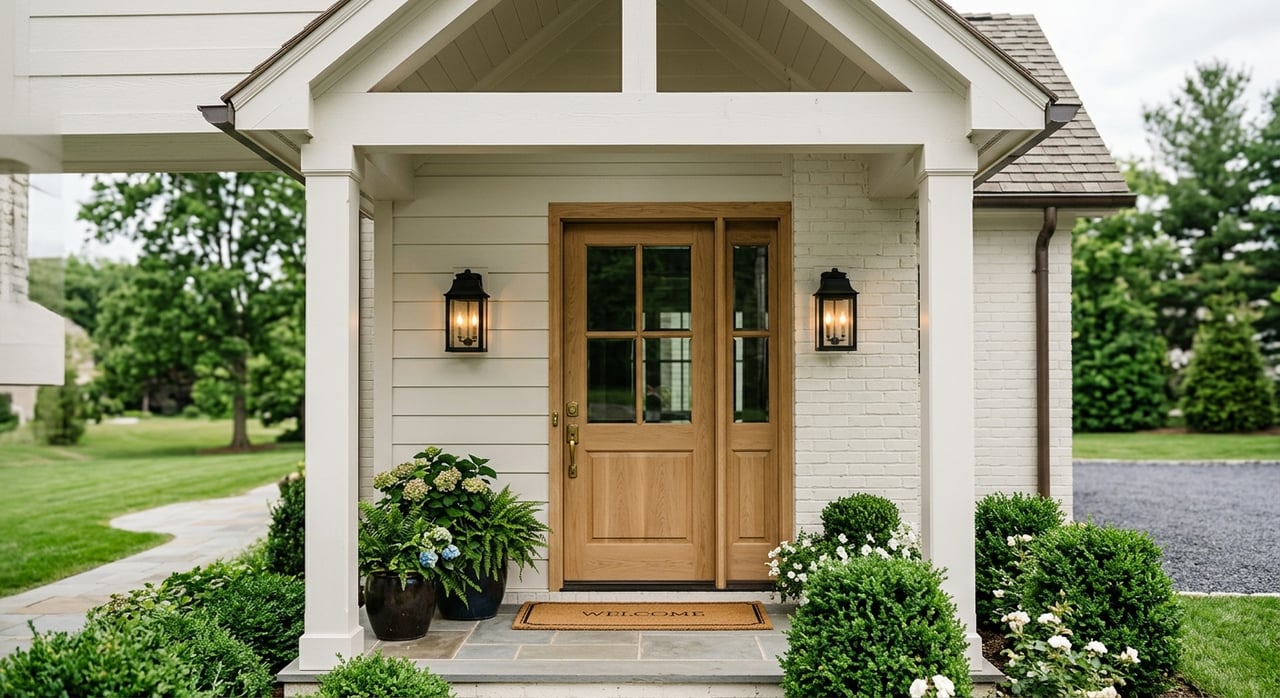
What’s the difference between an estate home that lingers and one that draws strong interest early? In Tyler’s current market, it often comes down to preparation, pricing discipline, and presentation. If you are getting ready to sell a larger custom home, luxury property, or estate-style residence, a focused pre-list plan can help you avoid surprises and make your home stand out. Let’s dive in.
Tyler market conditions matter
Tyler is a regional East Texas market with active inventory and a more selective buyer environment. Realtor.com’s May 2026 summary shows about 1.6K homes for sale, a median listing price of $344,900, median sold price of $280,937, median days on market of 56, and homes selling about 1.49% below asking on average.
That matters even more at the upper end of the market. Realtor.com neighborhood snapshots show premium price points in places such as Cascades Estates, The Woods, the Azalea Residential Historic District, and Southwest Tyler. TRERC’s Q1 2026 Tyler MSA data also shows that sales above $500,000 make up a relatively small share of total transactions, which means your buyer pool may be narrower and more comparison-driven.
Price and presentation work together
In a buyer’s market, even a beautiful home can lose momentum if it enters the market overpriced or underprepared. Estate buyers tend to notice condition, scale, layout flow, and finish quality quickly, especially when they are comparing several homes online before booking a showing.
That is why the best strategy is usually not to spend wildly. It is to prepare the home thoughtfully, present it clearly, and support the asking price with a polished first impression.
Focus on updates with the best return
For many Tyler sellers, cosmetic improvements offer the clearest value. Realtor.com’s Tyler seller guidance points to fresh paint, updated fixtures, and tidy landscaping as the types of pre-list work that typically help most.
By contrast, major renovations often do not return their full cost, even if they make the home appeal to a broader audience. If you are deciding where to spend before listing, start with items buyers will see right away and that improve the home’s overall feel.
Smart pre-list improvements
- Fresh neutral paint where walls feel dated or overly personalized
- Updated lighting or hardware that makes the home feel current
- Landscaping cleanup, trimmed beds, and a well-kept entry
- Minor repairs that remove visible signs of deferred maintenance
- Deep cleaning, especially windows, floors, kitchens, and baths
Updates to approach carefully
- Full kitchen remodels right before listing
- Expensive room conversions with narrow appeal
- Major structural projects unless they address a known issue
- Highly specific design upgrades that may not match buyer taste
Staging helps buyers picture the home
Staging is not just for vacant houses or smaller homes. NAR’s 2025 staging survey found that 83% of buyers’ agents said staging made it easier for buyers to visualize a property as a future home.
The same survey shows how important presentation assets are during the search process. Buyers’ agents identified photos, traditional staging, videos, and virtual tours as important, while sellers’ agents also rated photos, video, and physical staging as valuable parts of marketing.
For estate homes in Tyler, this is especially important because many buyers will narrow their list online before they ever schedule a visit. If your home does not photograph well, it may lose attention before the showing stage even begins.
Rooms to prioritize first
NAR identified the living room, primary bedroom, and kitchen as top staging priorities. In a larger home, these spaces usually carry the biggest visual and emotional weight.
That means your goal is not to erase personality. It is to simplify each room so buyers can understand the scale, light, and function of the space.
What effective staging often looks like
- Remove excess furniture so rooms feel open and easy to walk through
- Simplify decor to reduce visual distraction
- Let natural light in and check every bulb for brightness and color consistency
- Highlight architectural details instead of crowding them
- Style outdoor living areas if they are part of the property’s appeal
If budget is top of mind, the NAR survey reported a median professional staging cost of $1,500. It also found that 29% of agents said staged homes received offers that were 1% to 10% higher than similar unstaged homes, and 49% said staging reduced time on market.
Keep an occupied estate home show-ready
One of the hardest parts of selling a luxury or estate property is keeping it ready without making it feel cold or uncomfortable. The goal is to create a polished version of daily living, not a museum.
Focus first on routines. When you know where everyday items go, how pets are managed, and what your quick-prep checklist looks like, the showing process becomes much less stressful.
A practical show-ready checklist
- Clear kitchen counters except for a few intentional accents
- Put away personal papers, medications, and small electronics
- Make beds neatly and keep primary bath surfaces clear
- Open window coverings where privacy allows to improve light
- Keep outdoor spaces swept and seating arranged neatly
- Have a plan for vehicles, pets, and gate access if needed
NAR reporting also supports a flexible showing strategy. Buyers expected to view a median of eight homes in person and 20 virtually, which makes strong digital presentation and workable showing windows especially important for premium listings.
Gather Texas disclosures early
In Texas, disclosure prep should start well before your listing goes live. TREC says the current Seller’s Disclosure Notice is required for previously occupied single-family residences and covers material facts and the physical condition of the property under Texas Property Code Section 5.008.
The current form took effect May 28, 2026, and includes questions that can be especially relevant for estate, acreage, and lake-area homes. Starting early gives you time to gather details accurately instead of rushing through them once a buyer is in play.
Items that may need extra attention
- Whether the property is covered by insurance
- Whether there is a private road the buyer would help maintain
- Whether there are aboveground storage tanks over 500 gallons that stored petroleum or chemicals
- Whether the property is in a conservation easement
For larger parcels and custom properties, these are not minor details. They can affect buyer questions, inspections, and negotiations.
Prepare records for wells, septic, permits, and title
Estate homes often come with systems or improvements that need more documentation than a typical suburban listing. If your property has a septic system, private well, pool, guest house, workshop, or recent roof or electrical work, it helps to organize records before marketing begins.
TCEQ says homeowners are responsible for choosing, installing, and maintaining on-site sewage facilities and for identifying the permitting authority. The Texas Groundwater Protection Committee says private well owners are responsible for water quality and that there is no regulatory oversight in place to ensure that quality.
That does not mean something is wrong. It means buyers may expect clear documentation, service history, or helpful background when private systems are involved.
Records worth gathering
- Septic permits, maintenance history, and service invoices
- Well records, water test results, and equipment details if available
- Permits for pools, roofs, plumbing, electrical, or additions
- Survey, deed, easement documents, or recorded property records
- Repair history, warranties, manuals, and vendor contacts
The City of Tyler notes that eTRAKiT handles permits for work such as building, pool, roof, electrical, and plumbing. Smith County’s Clerk serves as the record keeper for official public records, including real property, which can help when verifying recorded documents for your seller file.
Don’t overlook floodplain and drainage questions
Flood and drainage due diligence can be especially important for certain Tyler-area estate properties. If your home is low-lying, near a creek, close to a lake, or includes acreage with drainage features, it is wise to review what information you already have.
The City of Tyler provides FIRM flood maps and a floodplain development permit application, and Smith County provides public flood-awareness resources and floodplain references. Having documentation ready can help you answer buyer questions more confidently and reduce last-minute scrambling.
Older homes may need lead-based paint disclosure
If your Tyler home was built before 1978, federal law requires disclosure of known lead-based paint and hazards. It also requires delivery of the EPA pamphlet and provides a 10-day buyer inspection period.
This is particularly relevant for older homes and historic properties. If your home falls into that category, it is best to address the paperwork early so the transaction stays organized.
Marketing should match the property
In a premium Tyler sale, the marketing plan matters almost as much as the preparation. NAR’s 2025 buyer-seller report found that 91% of sellers used a real estate agent, while 88% of buyers purchased through an agent or broker.
That same report shows buyers value help finding the right home, negotiating terms, and navigating paperwork. For you as a seller, that reinforces the value of experienced representation, polished marketing assets, and a strategy tailored to the home rather than a one-size-fits-all launch.
For estate properties, that often means premium photography, strong video, thoughtful staging, and presentation that speaks to both local buyers and out-of-area lifestyle buyers. It also means a pricing and showing strategy built around how a narrower upper-tier buyer pool actually shops.
A successful sale starts before listing day
The strongest estate listings in Tyler usually do not come together at the last minute. They are prepared with intention, priced with discipline, and supported by complete records and polished presentation.
If you are planning to sell a custom home, luxury residence, acreage property, or lake-area estate, the right pre-list steps can improve buyer confidence and help your home compete more effectively from day one. When you want a clear plan for what to update, what to disclose, and how to position your property in the Tyler market, Jana Dillard can help you prepare with confidence.
FAQs
What updates are most worth making before selling an estate home in Tyler?
- In many cases, the best return comes from cosmetic improvements like fresh paint, updated fixtures, minor repairs, deep cleaning, and landscaping cleanup rather than large-scale renovations.
How much staging does a Tyler estate home really need?
- Most estate homes benefit from focused staging in the living room, primary bedroom, and kitchen, along with strong photos and video that help buyers understand the home’s scale and layout.
What Texas disclosures should Tyler sellers prepare before listing?
- Sellers of previously occupied single-family homes should be ready to complete the current TREC Seller’s Disclosure Notice, including questions about insurance, private roads, certain storage tanks, and conservation easements when applicable.
What documents should Tyler sellers gather for septic or well properties?
- It helps to collect septic permits and service records, well information, any available water test results, and related maintenance records before the home goes on the market.
What should Tyler estate sellers do about floodplain questions?
- If the property is near a creek, lake, or low-lying area, review available floodplain maps, permit history, and insurance-related documentation early so buyer questions are easier to answer.
How can you keep an occupied Tyler estate home ready for showings?
- Use a simple daily system that keeps key rooms clear, personal items tucked away, lighting consistent, and outdoor spaces neat so the home feels polished without feeling sterile.