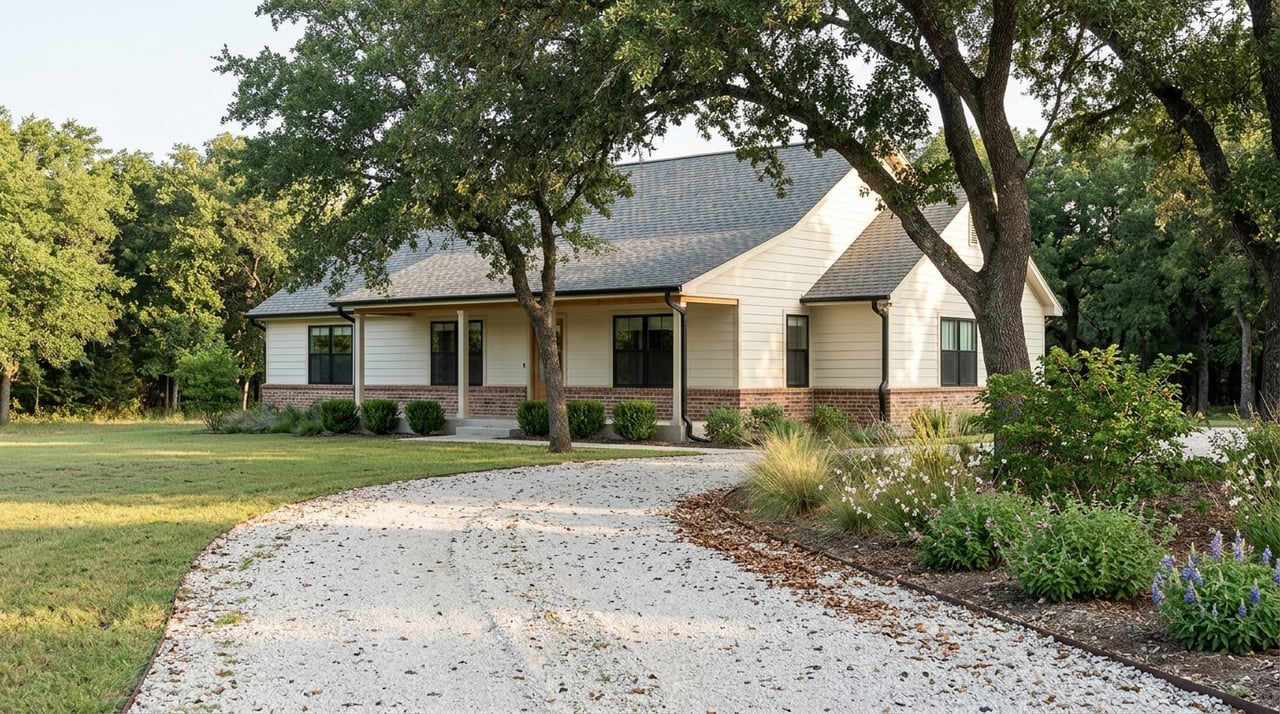
Looking at acreage near Flint can feel exciting right up until the questions start piling up. Can you build where you want, split the land later, add a shop, or rely on septic and water service without surprises? If you want a clearer path before you buy, this guide will walk you through the due diligence items that matter most in Flint and greater Smith County. Let’s dive in.
Why acreage near Flint needs extra review
Flint is an unincorporated community in Smith County, and that matters when you are evaluating land. In this area, the rules that shape a tract often come from county subdivision standards, municipal boundaries or ETJ questions, floodplain rules, deed restrictions, and utility or septic requirements rather than from one simple zoning code.
That means acreage purchases are usually not “plug and play.” A property that looks ideal on a map can come with limits on access, buildable area, utility placement, or future subdivision plans.
Start with jurisdiction first
One of the first things to confirm is which authority has jurisdiction over the tract. Near Flint, a parcel may fall in city limits, inside a city’s extraterritorial jurisdiction, or only under county rules, and that can affect the approvals and standards that apply.
The City of Tyler maintains planning and zoning resources along with a separate ETJ map. Because parcels near Flint can vary tract by tract, it is important to verify the status of the specific property you are considering rather than assume nearby land follows the same rules.
Why ETJ status matters
If a tract is within an ETJ, development standards and approval steps may differ from a property governed only by county requirements. That can affect how you plan a homesite, future improvements, or a possible division of the land.
For buyers relocating from areas with more uniform zoning rules, this is often one of the biggest surprises. In Smith County, jurisdiction is a foundational part of land due diligence.
Check platting before you plan to divide
If your goal is to buy acreage and later split it into homesites, platting status needs to be verified early. Smith County’s subdivision regulations, revised July 14, 2023, state that any subdivision of land in the county must be platted, approved by the Commissioners Court, and recorded with the county clerk, with limited exceptions.
One exception applies to agricultural land when all parts of the tract are devoted to agriculture. Still, if your long-term plan includes creating additional homesites, you should not assume that a rural parcel can be divided informally.
Questions to ask about platting
Before moving forward, ask for clear answers to these items:
- Is the tract already platted?
- If not, what would Smith County require for plat approval?
- Are there existing plat notes that affect use or building placement?
- Does the seller have prior surveys or subdivision documents?
These answers can shape your timeline, budget, and future flexibility.
Access can be a major hidden cost
Road frontage alone does not tell the whole story. If your access plan involves a state-maintained road, Smith County requires TxDOT access concurrence for proposed ingress or egress to a state right-of-way.
This is especially important for tracts along FM 2493 or other state roads near Flint. TxDOT also recommends minimizing access points and using internal subdivision circulation when possible, so driveway placement and entrance design may not be as simple as a buyer expects.
Road maintenance matters too
You should also verify who maintains the road serving the property. Smith County states that accepting a road or right-of-way into the county system is discretionary, and the county is not obligated to upgrade the road beyond normal maintenance.
That matters if you are buying a tract with plans for new construction, regular heavy use, or future resale. The road may be usable today, but its long-term condition and maintenance responsibility still need to be understood.
Water and septic should be confirmed early
Utility questions can quickly change the real cost of an acreage purchase. For new tracts, Smith County requires the potable water source or supplier to be identified and shown capable of delivering service at at least 25 psi.
The sewage plan must also identify whether the property will use municipal sewer, a private system, or an on-site sewage facility such as septic. If septic will be needed, the Texas Commission on Environmental Quality says a permit and approved plan are required, and the site must first be evaluated by a licensed site evaluator or professional engineer.
Why septic review can affect your plans
A tract may have plenty of acreage and still present challenges for septic placement. Local permitting programs may also be more stringent than state minimums, which makes early investigation important if you want to avoid redesigns later.
Before you close, it is wise to confirm:
- The water source for the tract
- Whether service capacity has been identified
- Whether septic is required
- Whether a site evaluation has been completed
- What the local permit path will involve
Floodplain and drainage can reduce usable area
Acreage buyers often focus on total size, but topography and drainage can be just as important as the number of acres. Smith County’s flood damage prevention ordinance applies to all special flood hazard areas in the county and incorporates FEMA flood maps by reference.
In regulated flood areas, a development permit is required. The ordinance also prohibits floodway encroachments unless engineering analysis shows the project will not raise base flood elevations, with FEMA revision procedures available when needed.
Buildable area is not always the same as total acreage
Smith County subdivision regulations also require floodplain development notes on plats, set finished-floor elevation rules in flood areas, and call for drainage designs that address culverts, stormwater controls, and erosion prevention. In practical terms, those rules can affect where you place a house, driveway, barn pad, or other improvements.
This is why floodplain review should happen before you fall in love with a building site. The true buildable portion of a tract may be smaller, more expensive to improve, or more constrained than it first appears.
Easements can shape your layout
Even when a tract seems open and flexible, utility easements can limit where improvements go. Smith County requires utility easements along lot fronts and places responsibility on the developer to ensure side and rear utility easements are wide enough and properly located for the intended utility company.
For a buyer, that can affect placement of a home, shop, driveway, fence, or future addition. It is one more reason why a survey, plat review, and utility discussion should all happen before final decisions are made.
Deed restrictions may matter more than zoning
Many acreage buyers assume that being outside city zoning means broad freedom to use the land. In reality, recorded deed restrictions can still regulate property use along with the size, location, and design of structures.
These restrictions can run with the land and bind future owners. So even if a tract sits outside a city’s zoning framework, it may still be subject to subdivision covenants or HOA rules that shape what you can build and how you can use the property.
Documents to request before closing
Ask for these records before removing contingencies:
- Deed restrictions or restrictive covenants
- Plat notes
- HOA documents, if any apply
- Any recorded use limitations tied to the tract
This step can protect you from costly surprises after closing.
Agricultural valuation deserves a closer look
If you hope to keep land in agricultural use, tax treatment may be part of your decision. The Texas Comptroller states that qualified open-space agricultural land may receive special appraisal, and the application for that valuation is Form 50-129.
Smith County also notes that appraisal matters are handled by the appraisal district, not the tax office. Applications for tax exemptions and agricultural appraisals are processed between January 1 and April 30.
Do not assume the valuation transfers automatically
If agricultural valuation is important to your ownership costs, confirm whether the tract qualifies and whether the current use supports the application. This is an area where early verification can help you plan more confidently.
A practical due diligence checklist
Before you buy acreage near Flint, make sure you have answers to these core questions:
- Is the tract in city limits, an ETJ, or only under county jurisdiction?
- Is the property already platted?
- If you want to divide the land, what would county approval require?
- Who maintains the road?
- Will state-road access need TxDOT concurrence?
- What is the water source?
- Will the tract require septic, and has the site been evaluated?
- Is any part of the property in a special flood hazard area?
- Are there drainage, floodplain, or elevation requirements that affect the homesite?
- Are there utility easements that limit placement of improvements?
- Are there deed restrictions, plat notes, or HOA documents on record?
- If agricultural valuation matters, does the tract appear to support that application?
Why local guidance matters in Flint acreage purchases
Buying land near Flint is often less about finding a pretty tract and more about understanding how that tract actually works. Jurisdiction, access, water, septic, floodplain conditions, and recorded restrictions can all affect buildability, cost, and future resale flexibility.
That is why acreage transactions benefit from careful local guidance and a steady review process. If you are weighing land near Flint, Tyler, Bullard, or the Lake Palestine corridor, Jana Dillard can help you evaluate the details that matter and move forward with more confidence.
FAQs
What should you check first when buying acreage near Flint?
- Start by confirming jurisdiction, including whether the tract is in city limits, inside an ETJ, or only under county rules, because that can affect approvals and development standards.
Can you split acreage near Flint into multiple homesites?
- Maybe, but you should verify platting status first because Smith County requires subdivision plat approval and recording for land divisions, with limited exceptions.
Does road frontage on FM 2493 guarantee easy access?
- No. If proposed access is to a state right-of-way, Smith County requires TxDOT access concurrence, so frontage alone does not guarantee simple driveway approval.
What utilities should you verify before buying land in Smith County?
- Confirm the potable water source, service capability, and whether the tract will use municipal sewer, a private system, or septic.
Why is septic review important for acreage near Flint?
- If septic is needed, a permit and approved plan are required, and the site must be evaluated by a licensed site evaluator or professional engineer before installation.
How can floodplain rules affect acreage in Smith County?
- Floodplain rules can limit where you build, require development permits, and increase site-prep costs for homesites, driveways, culverts, and other improvements.
Do deed restrictions apply to rural land near Flint?
- Yes. A tract can be outside city zoning and still be subject to recorded deed restrictions, subdivision covenants, or HOA rules that regulate property use and building details.
Who handles agricultural appraisal questions in Smith County?
- Appraisal matters are handled by the appraisal district, and applications for exemptions and agricultural appraisals are processed between January 1 and April 30.